First-time attendees find Biennial “eye-opening,” “inspiring”
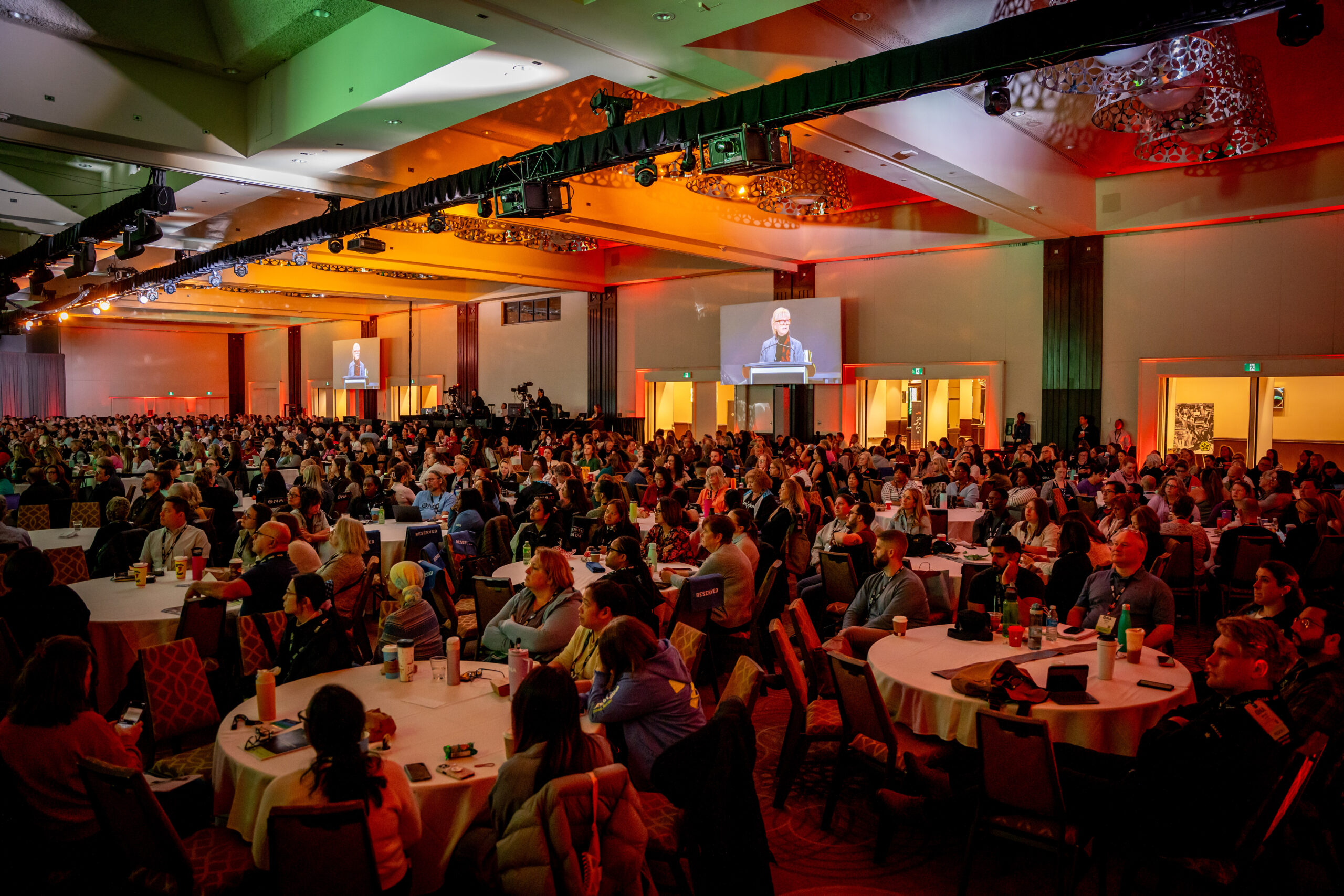
First-time participants sing the praises of ONA’s recent Biennial Convention.
First-time participants sing the praises of ONA’s recent Biennial Convention.
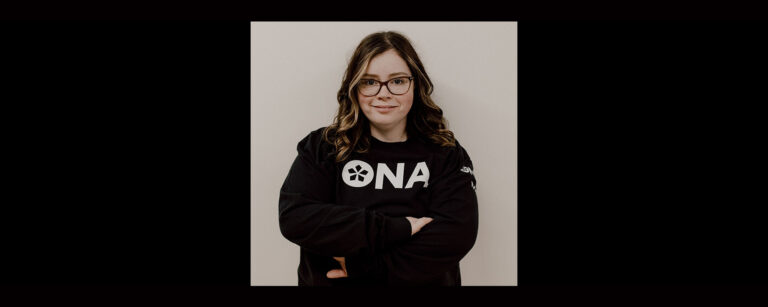
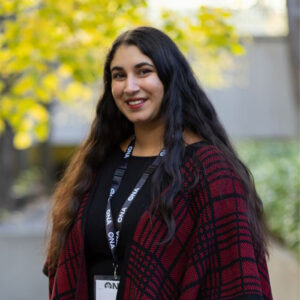
Take Ghail Medaflor, for example. As Extendicare Guildwood Bargaining Unit President for just two months, she was “completely stoked” to attend her first Biennial.
“At the same time, I was overwhelmed because so much was happening. The whole week was very tiring, but I enjoyed everything. ONA is a very well-organized union, and I made so many connections. What a great opportunity!”
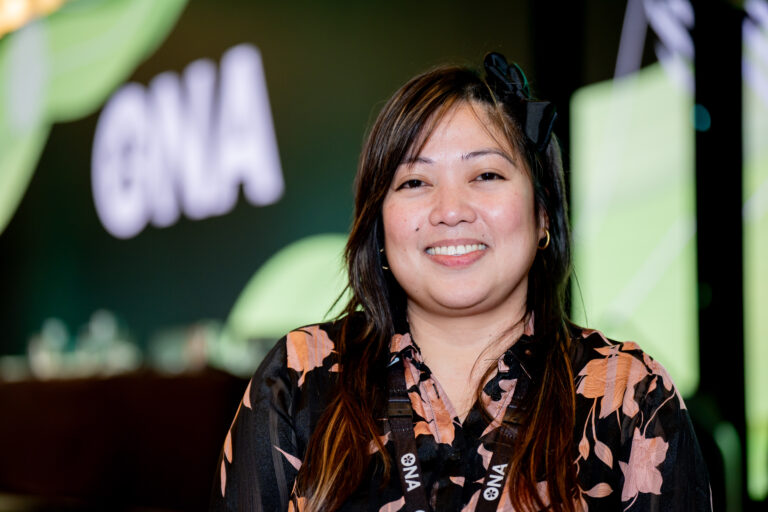
Bargaining Unit President Ghail Medaflor.
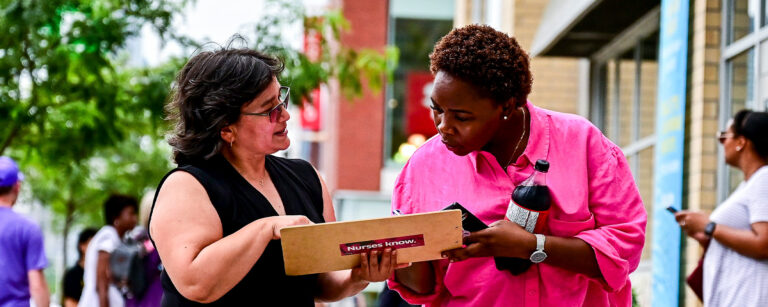
Angie Martin, a 20-year RN at the University of Ottawa Heart Institute, who serves as a unit representative and member of her Joint Health and Safety Committee, was equally enthusiastic.
“I attend Local meetings and rallies and try to be as informed about the union as I can,” she says. “It's important to understand what's happening at the Local and provincial levels to bring that back to the members of my unit and help support them. This year, my Local was able to fund two spots for members who aren’t on the executive to come to the Biennial. I submitted an expression of interest explaining why I wanted to attend, and was very happy to be chosen.”
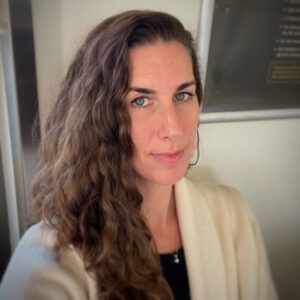
Grassroots member Angie Martin.
ONA also extended invitations to several student-affiliate members from the Canadian Nursing Students’ Association (CNSA) who had never experienced our largest provincial meeting.
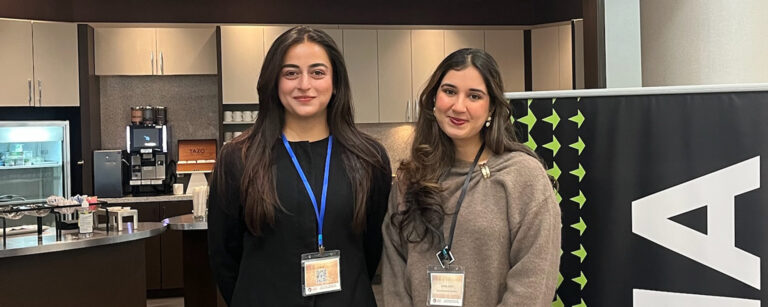
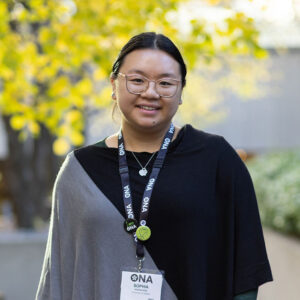
“I’m incredibly grateful for this wonderful opportunity to attend my first Biennial,” states Sophia Zhao, a third-year University of Ottawa student and CNSA “diversability” caucus chair.
While Medaflor says she wasn’t sure what to expect heading into the meeting, the entire process was thoroughly explained during our popular Biennial 101 session that takes place the evening before the convention gets underway.
“That was a great session,” notes Martin. “It gave us such insight into how the union functions and where we can make changes. So, who do you speak to? What's the process? What's the flow? How does it work? The session went over who can vote and who can second the Constitutional amendments and resolutions that are brought to Biennial. And so, sitting there as a member watching the voting, I understood the process. It was eye-opening in terms of how that works.”
It also gave her a greater appreciation for how her Local connects to the union as a whole.
“I started nursing at 22 years old and didn't know what I didn't know or what my rights were. I was very much just taking what was being handed to me. But then I saw that there can be changes from the grassroots level; that we can review, chat and vote on things in our Local and our leaders can bring those to the Biennial and speak for us.
I love that something can be changed in ONA’s Constitution from a meeting that was held on Zoom from my bedroom after a day shift.
“I love that something can be changed in ONA’s Constitution from a meeting that was held on Zoom from my bedroom after a day shift. It's very frustrating when you put time and effort into fighting for your rights, but don't see a change and feel like you’re screaming into a void. This doesn't feel like that at all.”
Medaflor concurs, noting, “this was all new to me, but it was so interesting. The Local Coordinators are the ones voting on constitutional amendments for their members, not the Board of Directors. It should be like this for all organizations.”
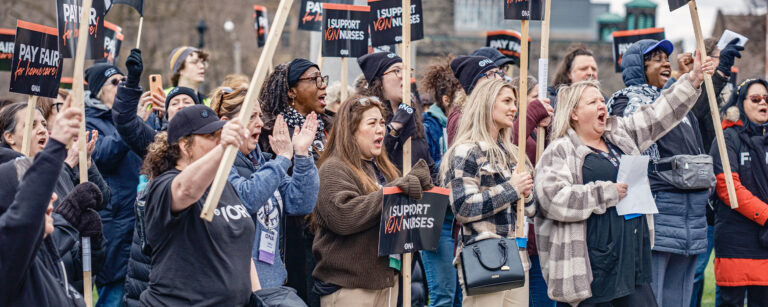
While the Biennial is a business meeting and those important constitutional decisions are made throughout, it offers so much more, from inspiring guest speakers to powerful solidarity actions to informative presentations from all members of the Board of Directors and staff on the work of our union in all core service areas (read about that extensive work in our 2025 Biennial Report).
And it’s the sheer volume and success of that work that really captivated Medaflor.
“I learned about all the achievements ONA has made the past two years, and, wow, it’s really a lot. I learned about the resources and education they provide and how they advocate for all members in the province.”
Martin was struck by that too.
“Sometimes we focus on the Local level in terms of contracts and vacation time and the nitty-gritty, but I didn't know as much about the advocacy that happens provincially in terms of the partnerships ONA is making with politicians who believe the same things we do and will help push our priorities forward. Or how ONA meets with politicians that don't believe what we do and puts pressure on them to fund or push for the things we need, like safe staffing ratios.”
As an internationally educated nurse from the Philippines, Medaflor highlighted a particularly meaningful session at the Human Rights and Equity Summit, which kicked off Biennial week.
“I’ve been in Canada for five years, but it was a very long and difficult journey to register here to be an RN. So, I really enjoyed the panel presentation on the experiences and challenges of internationally educated nurses.”
She was also impressed with the strong support shown to the striking members of the North York Family Health Team and keynote speaker, renowned Canadian journalist/host and former Cabinet Minister Marci Ien, who offered deep appreciation for nurses and health-care professionals and spoke about the importance of self-care.
“I’m a proud nurse who always cares for others, so I thought, what’s this? She said don’t just fill others’ cups, fill yours first. You do so much for everybody else, but you have to take care of yourself. I hadn’t thought of that, but it really resonated. The speakers all motivated me and had an impact. And the ONA President is so active and pushing everyone else to be.”
That wasn’t lost on Zhao, who notes, “as a nursing student, it’s a true honour to be able to enter the advocacy game so early, championing a future with fair wages, free from violence in our profession.”
For Martin, “hearing stories about things that are happening in other parts of Ontario with different members, and the issues they're facing and fighting for has given me a better understanding of the whole organization.”
Their experience at the Biennial is something these first-time attendees are taking home with them.
“This has been a really exciting learning opportunity,” explains former Western University student Alisha D’souza. “As an early career nurse and someone who's involved with other policy and advocacy-based organizations, including the CNSA, attending ONA's Biennial Convention has given me some great ideas to think about and new ways to do things that I’d love to take back and implement into the work I do now.”
I want to go home and tell my members that ONA is very fiery and feisty – all the f-words!
“I want to go home and tell my members that ONA is very fiery and feisty – all the f-words!” laughs Medaflor, adding she learned a lot about policy at the Biennial that she’s also sharing. “I’m encouraging them to be active in our union and support each other. When you fight for something, you have to do so as a group. It’s about solidarity, right?”
Martin couldn’t agree more, noting that “my key takeaway from the Biennial is that we can effect change, but everyone has to get involved. If you don't have the capacity or time to be an executive member or other role in the union, come to meetings, voice your concerns and take information back to your colleagues. Seeing how many times we've effected change promotes more engagement.
“The Biennial has been so uplifting and informative. If there’s funding, I encourage everyone to go and see the work of the union for themselves.”
Read Biennial Highlights here.
This is a standard popup that can be repurposed for general site-wide messages.
We use cookies to improve your experience on our website. To learn more, read our privacy policy.