Taking care of our mental health at work


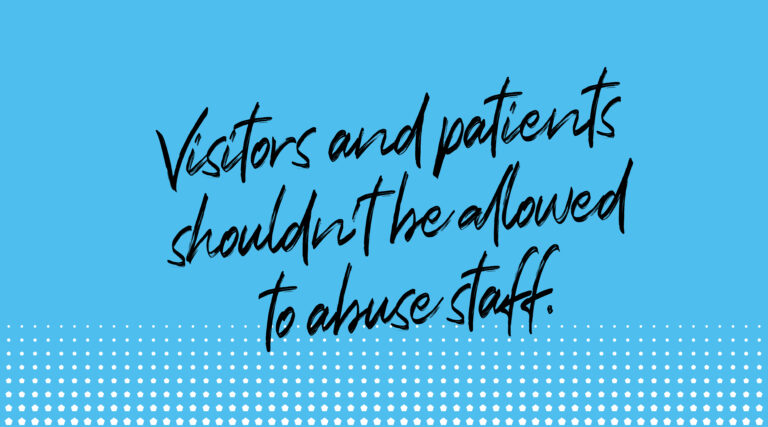
Nurses and health-care professionals face many hazards in their workplace. There are obvious ones, like biological hazards and slips, trips and falls. But there are other, less visible ones, like harassment, psychological trauma and post-traumatic stress syndrome (PTSD).
Our mental health is just as important as our physical health. After decades ignoring this simple fact, society is now catching up and we’re making strides in caring for mental health and well-being. As we mark Mental Health Awareness Week, October 5-11, let’s look at the importance of taking care of our mental health at work.
The Ontario Health and Safety Act (OHSA) was recently amended to include virtual workplaces in the definitions for harassment and sexual harassment. With the nature of work changing and many workers carrying out their duties remotely, legislation is catching up to offer protection from harassment on platforms like Teams, Zoom, email, Facebook and LinkedIn.
These updates reflect a growing recognition of the modern, digitally connected workplace and the reality that harassment can occur in a variety of ways, virtually and in person. Whether it’s because someone feels less inhibited in virtual settings, perceives reduced employer oversight or views their conduct as less serious than if it occurred in person, none of these reasons make harassment permissible.
In many cases, just knowing someone cares is a help.
The updates also acknowledge the lasting damage that harassment and sexual harassment can leave. The lingering effects from harassment can take a heavy toll, affecting someone’s mood, sleep, and ability to feel safe and happy.
Read more about the amendment on the Government of Ontario website or the Workplace Safety and Prevention Services website.
According to the World Health Organization, long hours, understaffing and inadequate pay are just some of the risks to mental health at work. These also happen to be common factors found working in health care under the Ford government.
Health-care workers are also more likely to face psychosocial risks like violence, harassment or bullying. It’s no wonder this sector faces a high proportion of claims based on mental health. According to data from the Workplace Safety and Insurance Board of Ontario:


But although things might seem dire and many of the causes of poor mental health are structural, all is not lost. Between fighting for better supports and looking out for ourselves and each other, we can improve our workplaces.
It’s likely that we will all need mental health support at some point in our lives. As we continue to advocate for systemic changes needed to make our workplaces healthy and safe, there are resources you can access for support or to learn more.
ONA has developed a mental health resource guide with more ideas and places to access support. Just like our physical health, our mental health should be a priority, especially in the face of work stresses. Whether coping yourself, or helping a colleague, there are supports available.
This is a standard popup that can be repurposed for general site-wide messages.
We use cookies to improve your experience on our website. To learn more, read our privacy policy.