ONA has renamed our meeting rooms after Indigenous traditional medicines to create ongoing opportunities for learning, reflection and conversation for all who enter.
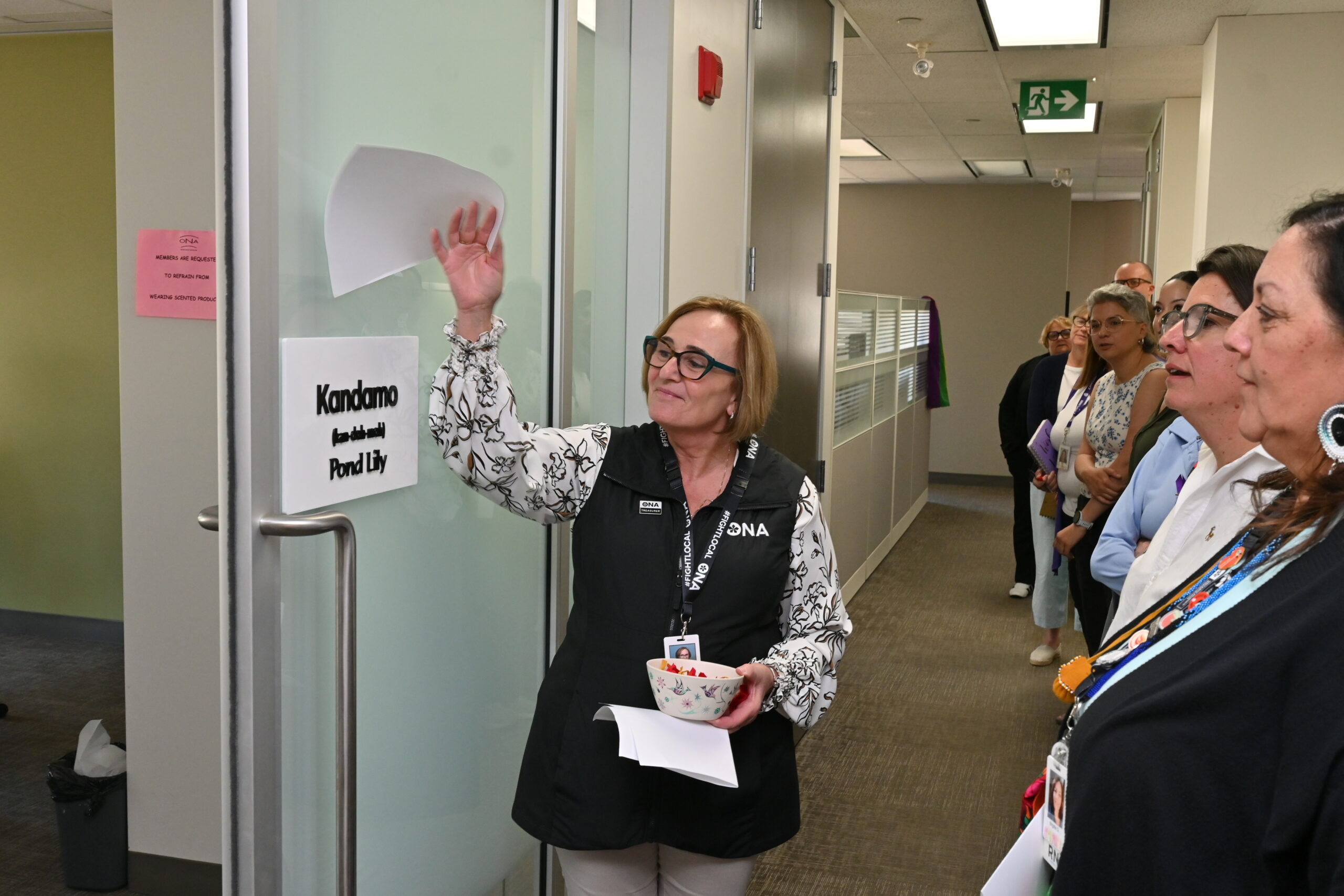
“It’s significant we gather at ONA’s provincial office because it belongs to ONA members,” said ONA Provincial President Erin Ariss at a special ceremony to mark the unveiling of the names on June 1, which coincided with the start of National Indigenous History Month. “This is a group that has committed to truth-telling and reconciliation, to learning and, above all, to curiosity. My dream as president is to see growth as we continue our journey to take more visible actions and to manifest an ONA that is safe and moves without judgment. This is a visible step in the right direction.”
That step began several years ago when ONA’s then Diversity, Equity and Inclusion Committee, which now includes the meaningful word Belonging (DEIB), began looking at our physical spaces and how we could better reflect organizational values and committees.
“The original proposal focused on renaming ONA meeting spaces and rooms to increase awareness, education and recognition of the Indigenous peoples and territories on which we live and work, recognizing that reconciliation is, in part, about education and creating opportunities for learning in our everyday environments,” explained Member Education/Anti-Racism and Anti-Oppression Senior Manager Kieran Maxwell during the moving ceremony.
“Time went on and the work evolved, and we were invited to think more deeply about how our spaces could honour our Indigenous peoples, their knowledge and their traditions in a meaningful way. This led to the decision to rename our meeting spaces using Indigenous traditional medicines and culturally significant teachings.”
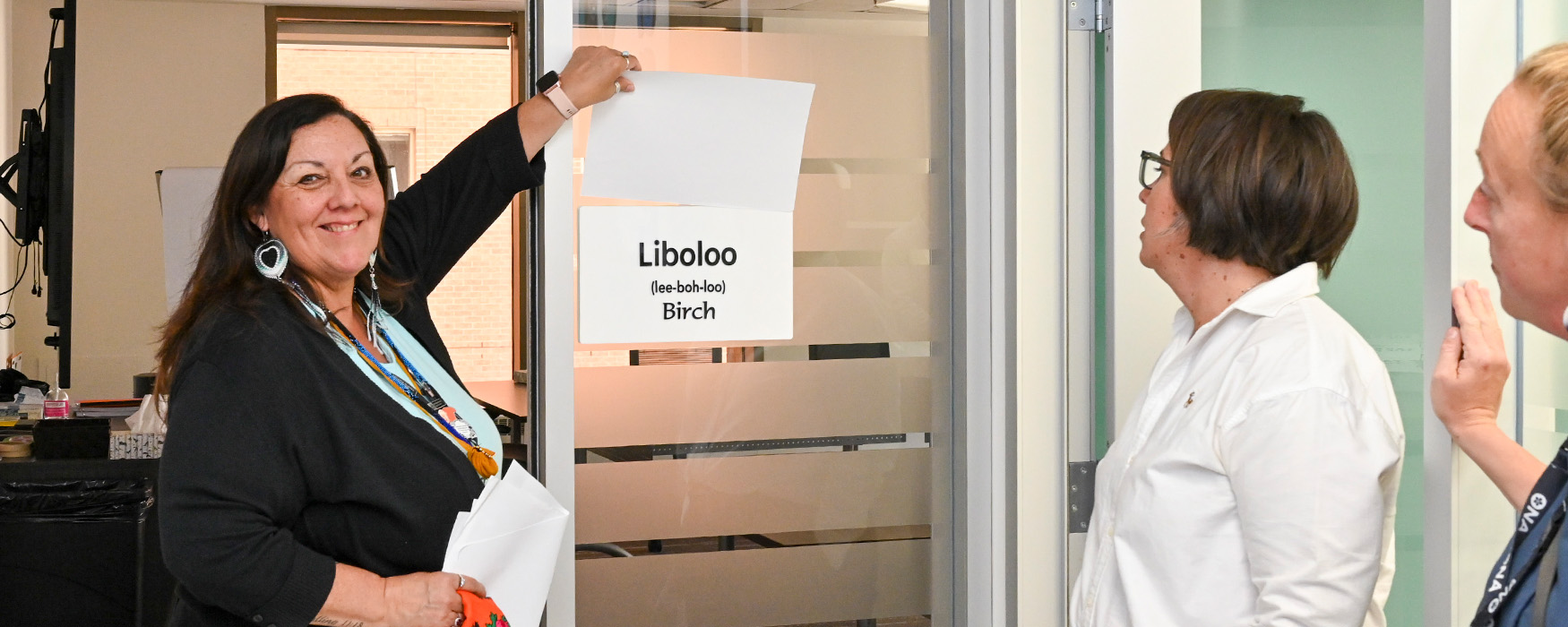
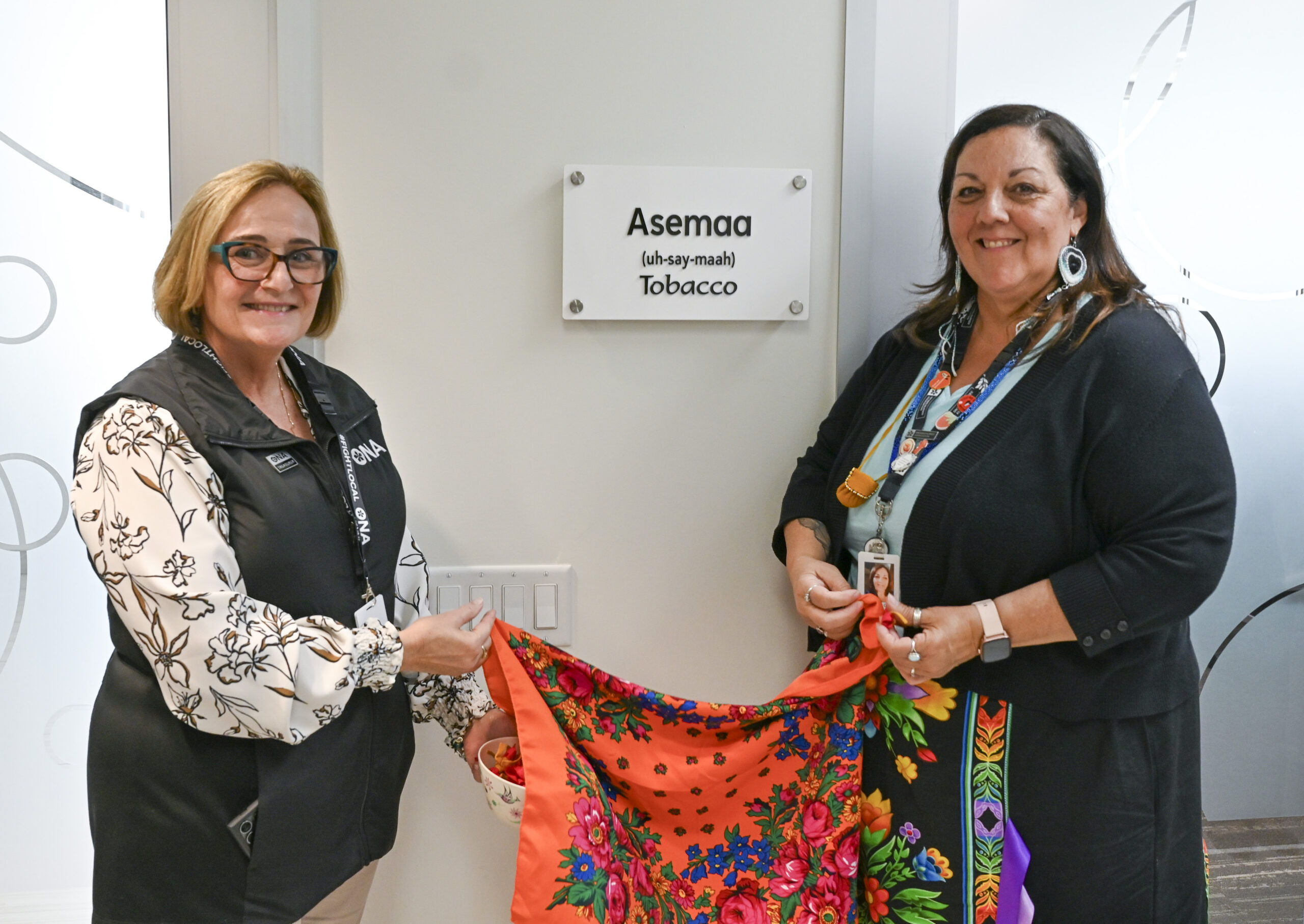
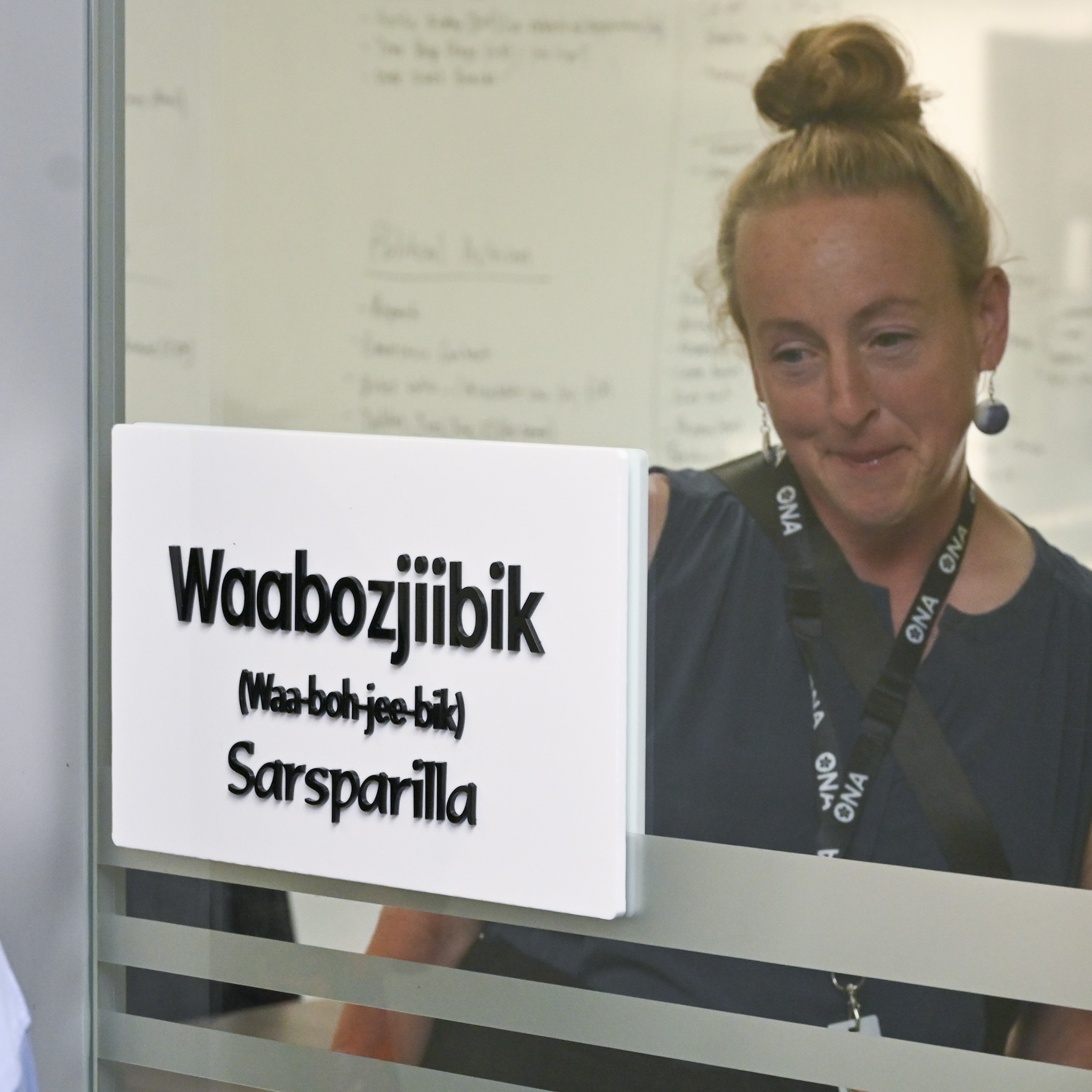
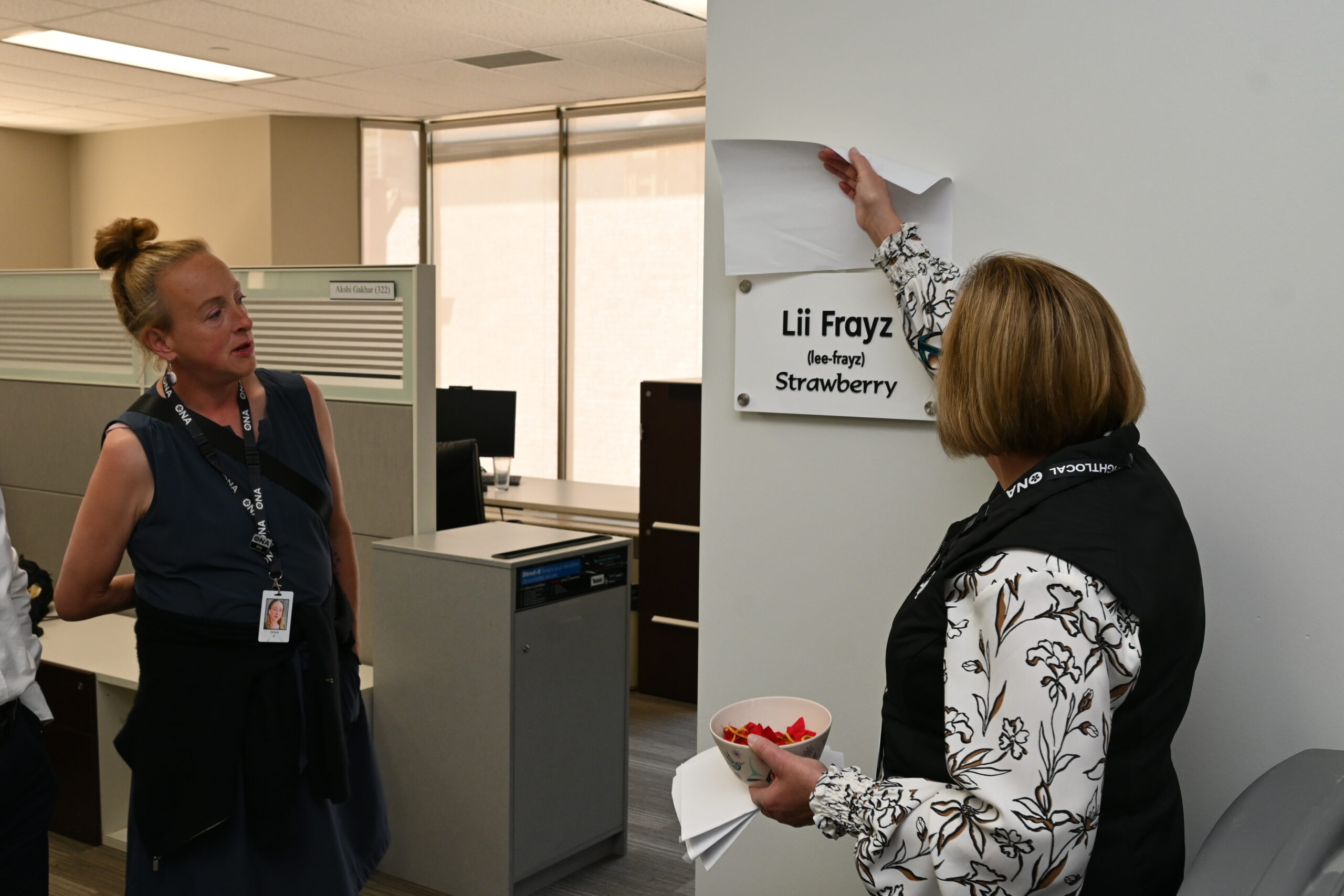
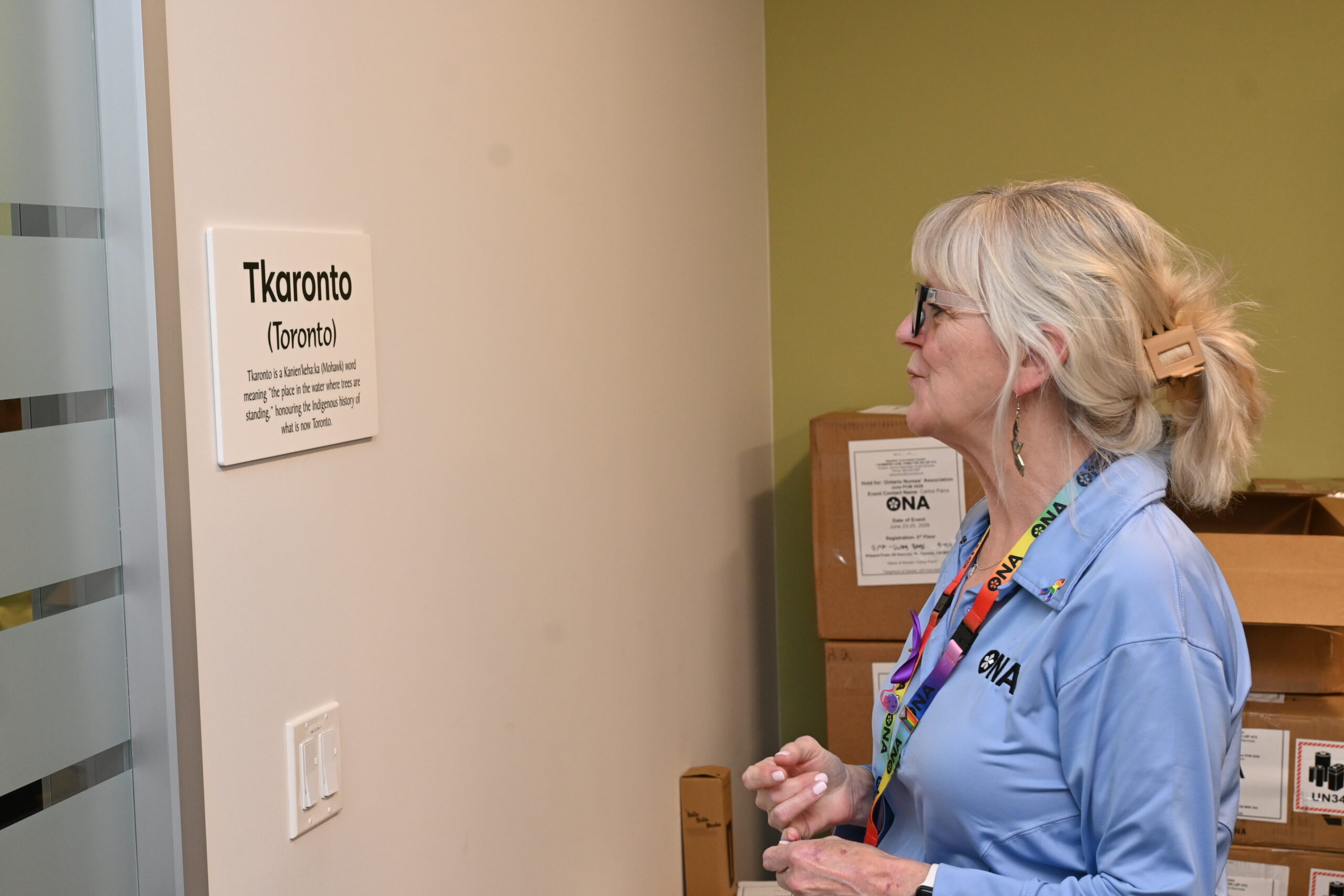
The new meeting room names, some of which are pictured here, reflect ONA’s strong commitment to ensuring Indigenous presence, knowledge and contributions are recognized within our organization.
Traditional medicines
Indigenous peoples in Canada have used plants and other natural materials as medicine for centuries. These medicinal plants – more than 400 are used in traditional medicine – are seen as sacred and are deeply respected, and their gifts to community are acknowledged.
ONA has installed beautiful plaques outside and inside meeting rooms on all seven floors of our provincial office in Toronto, which is located in the traditional territory of many Indigenous nations, including the Huron-Wendat, the Seneca and the Mississaugas of the Credit First Nation. These plaques display the Indigenous traditional medicine name first, that word spelled phonetically in brackets and then the English translation (on the inside of the room, the plaques also include information about the meaning of that particular medicine).
For example, the Boardroom where this ceremony began (before a tour of all the renamed meeting rooms in the provincial office) has been named Li Tabaa (Tobacco), which is among the four sacred Indigenous medicines that also includes sage, sweetgrass and cedar, and is often considered the first medicine traditionally used in offering thanks to begin a conversation.
“Tobacco symbolizes intention, being mindful and purposeful and having a connection with community and physical and spiritual worlds,” explained Region 3 Vice-President Karen McKay-Eden, who holds the portfolio of anti-racism, equity and human rights. “And it acknowledges gratitude for relationships and contributions. So, we hope that when we enter this space, we do so with clear intentions. We practice respectful dialogue and we listen. We acknowledge diverse perspectives, and we foster meaningful and ethical decisions.”
Not just a name
This initiative is also being rolled out to ONA’s 10 regional offices across Ontario throughout the year. But as Member Experience/Events Team Manager Carlos Parra, who presented this idea to the DEIB Committee, points out, these are more than simply room names.
“They’re an invitation for all of us to pause and ask questions,” he said, adding how excited he is to see this project come to life. “They encourage us to reflect on what each name means, the histories they carry, and how they connect to our shared responsibility in advancing truth and reconciliation. My hope is that these meeting spaces inspire ongoing learning, conversations and respect, reminding us that reconciliation is not a simple moment, but a continuous journey.”