Long COVID win establishes a precedent
This stock photo of a nurse in PPE shows the devastating impact of the COVID pandemic on health-care professionals, many of whom are dealing with Long COVID, including the member in this successful WSIB case.


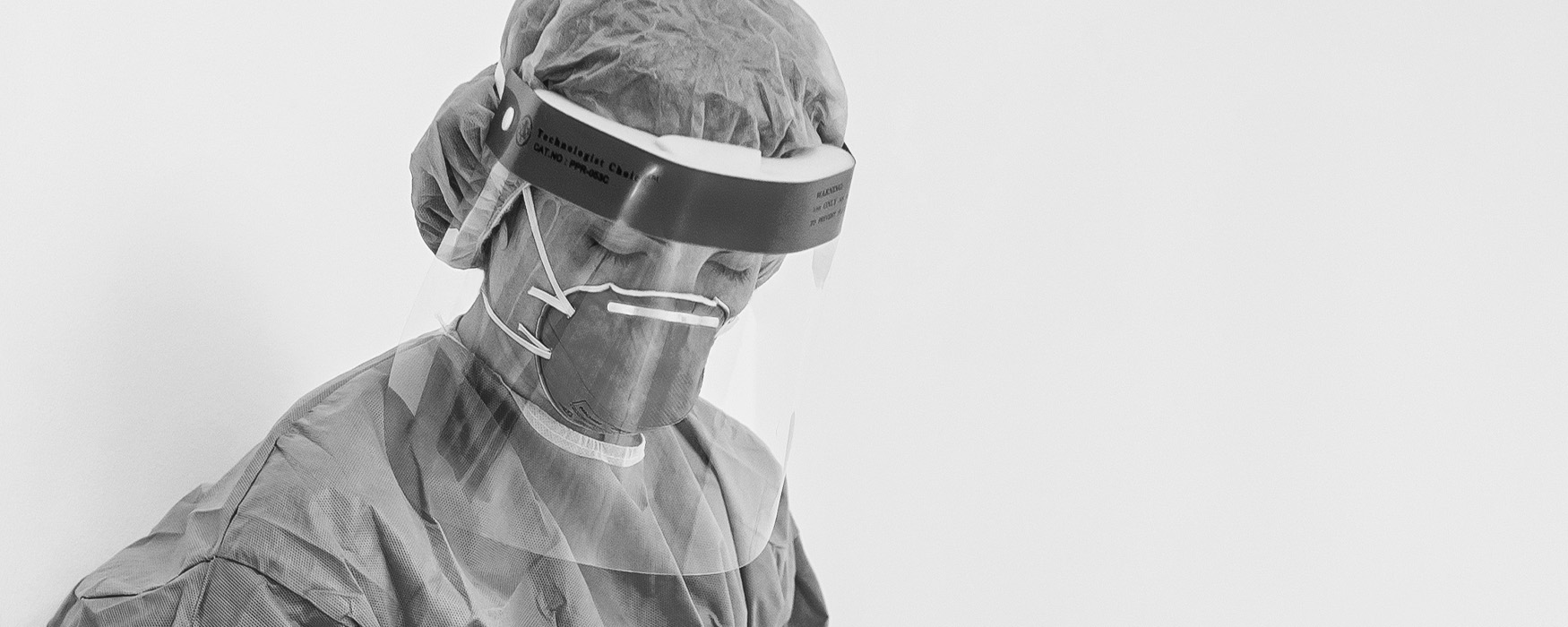
This stock photo of a nurse in PPE shows the devastating impact of the COVID pandemic on health-care professionals, many of whom are dealing with Long COVID, including the member in this successful WSIB case.
ONA has won a Workplace Safety and Insurance Board (WSIB) case for a member suffering from Long COVID that will have far-reaching implications.
In February 2022, a member we’ll call Terry (not their real name) tested positive for COVID. The WSIB agreed it was related to work and paid them loss of earnings, which are designed to provide financial support to workers who lose income due to a work-related injury/illness, from March to April of that year.
When Long COVID-type symptoms began to emerge, Terry was offered modified duties from home for eight months, after which time the WSIB determined they could perform modified duties at the hospital instead. But after an increase of symptoms, Terry ultimately had to stop.
While Terry was permitted to work from home from January to May 2023, the WSIB again determined they could return to work within the hospital setting on a gradual return to work. Unfortunately, Terry was unable to physically and psychologically progress in the return-to-work plan and completely stopped working that July.
The WSIB denied Terry’s entitlement to any psychological injury and loss of earnings, stating there were no psychological restrictions rendering the modified duties and maintaining that the duties were suitable from a physical perspective.
ONA launched an appeal regarding the denial of psychological entitlement, which was successful, with the Appeals Resolution Officer (ARO) determining that Terry had a permanent respiratory disorder as a result of their Long COVID.
Unfortunately, despite that win and the 45 per cent Non-Economic Loss (NEL) benefit for the Long COVID diagnosis, which compensated for the permanent effects of this workplace illness on Terry’s quality of life, the WSIB continued to deny loss of earnings. They again cited a lack of any psychological restrictions and that the modified work remained physically suitable.
ONA again appealed, and in a March 2024 decision, the ARO maintained that Terry was not entitled to loss of earnings benefits.
On Terry’s behalf, ONA appealed to the Workplace Safety and Insurance Appeals Tribunal (WSIAT), the final step in the appeals process.
During the hearing, held via conference in September 2025, we argued that the modified duties were, in fact, not suitable from a physical and psychological perspective. Terry testified about the difficulties they were having in the accommodated work-from-home role, which were exacerbated when they were required to return to the hospital.
We also argued that the 45 per cent NEL, along with the emerging psychological restrictions, should have prevented any return to work within the employer’s premises.
We won! The WSIAT agreed with our arguments.
We won! The WSIAT agreed with our arguments, ruling that Terry’s psychological restrictions prevented any return to work at the employer’s premises and that from both a psychological and physical perspective, the modified duties weren’t suitable. As such, full loss of earnings were allowed from December 23, 2022 to January 3, 2023; May 23 to July 11, 2023, based on actual hours worked; and from July 12, 2023 to the date of the WSIAT decision, November 6, 2025.
To date, the loss of earnings is continuing while the WSIB adjudicates the psychological NEL and determines what, if any, job in the general labour market would be suitable for Terry.
ONA has the privilege of establishing a precedent in this case, given the nature of members’ work and their unfortunate exposure to COVID while working to help others on the front lines during the pandemic. As such, there aren’t many COVID 19, Long COVID or COVID psychological cases yet argued before the WSIAT.
Ensuring that the WSIAT accepts Long COVID, and the psychological trauma associated with the various symptoms and loss of function, won’t only benefit ONA members, but all injured workers who develop occupational illnesses, specifically respiratory in nature.
This is a standard popup that can be repurposed for general site-wide messages.
We use cookies to improve your experience on our website. To learn more, read our privacy policy.